
Nursery KG home tutor in West Delhi
Three-year-olds don't sit still for worksheets, and they shouldn't have to. A Nursery KG home tutor in West Delhi teaches sounds, counting, colours and pencil grip through stories, rhymes and play at your home, at a pace that keeps your little one smiling.
- No charge to parents. We charge tutors only
- The tutor comes to your home
 Komal NunaTeaching since 2005 · Nursery to Class 55.0 on Google · 15 reviews
Find a tutor for your child
- No charge to parentsWe charge tutors only
- CBSE, Nursery to Class 5Your child's own school books
- Home tutors onlyThe tutor comes to your home
- 4 areas of West DelhiUttam Nagar, Janakpuri, Vikaspuri, Tilak Nagar
Matched to your child
A Nursery / KG tutor chosen for your child's class, subjects and timing.
Classes at your home
The tutor comes to you. No travel for your child.
No charge to parents
A free one-day demo class first. You pay only the tutor’s fee, the first month through us.
Local to West Delhi
Uttam Nagar, Janakpuri, Vikaspuri and Tilak Nagar.

What children learn in Nursery and KG
-
Talking and listening first
Before reading a word, a child needs to hear its sounds and know its meaning.
-
Early reading: sounds first
Many children can sing the alphabet song but cannot say which sound "ball" starts with.
-
Pre-writing and hand skills
Writing depends on small hand muscles that take time, and plenty of play, to develop.
-
Number sense beyond counting
Reciting "one, two, three… twenty" is a memory skill, not the same as understanding numbers.
-
Shapes, colours and patterns
Sorting by shape, colour and size is early maths that is easy to practise at home.
-
Hindi and English together
Many young children hear one language at home and a different one in the classroom.
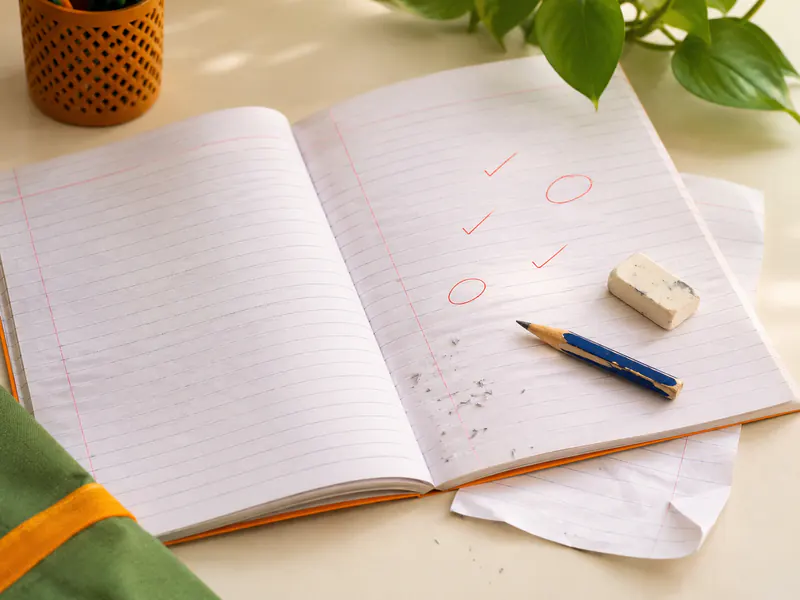
Is your child facing any of this?
- My child can count to 50 but can't count ten things
- My child holds the pencil in a fist
- My child writes b and d the wrong way round
- My child won't sit still for more than five minutes
- The school sends homework I don't understand
- Everyone else's child seems ahead
A Nursery / KG tutor who comes home works on exactly these gaps, one child at a time. How a tutor helps with each
Three simple steps

Tell us what you need
Your child’s class, subjects, area and preferred timing, by form, call or WhatsApp.

We match a tutor
We find a tutor who fits the class, subjects and timing, and can reach your home.
Classes start at home
A free one-day demo class, then the first month’s fee to us in advance.
Looking for a Nursery / KG tutor?
Tell us the class, subjects and timing. We will call you back. No charge to parents.

Run by Komal Nuna, from Uttam Nagar
Playway Teacher is a local service, not a call centre. Komal is based in Uttam Nagar and speaks with every family who enquires.
- Every class happens at your home
- Rated 5.0 on Google by parents
- Free one-day demo class. No charge to parents
What parents say on Google
5.0 from 15 reviews on Google
-
5 out of 5 stars
Best teacher in Delhi
Simran D. · Google review, Feb 2025
-
5 out of 5 stars
Our both children are learning reading and writing skills from Mrs Komal Nuna for last couple of months. We have seen tremendous improvement in their skills. I am thankful to her for the unconditional efforts towards her students. Keep It Up!
Ritesh L. · Google review, Jul 2022
-
5 out of 5 stars
Awesome experience with u guys
Vanya · Google review, Jul 2022
-
5 out of 5 stars
Very professional and always willing to help others. instil and inspires kids with confidence.
Khushi S. · Google review, Jun 2022
-
5 out of 5 stars
Best teacher you truly care about your students, with ur guidance my son has developed into a confident n capable child.thanku
Monika K. · Google review, Jun 2022
-
5 out of 5 stars
Mrs.komal nuna is hardworking teacher I experienced , she teaches children in different way nd handle very politly she has a friendly and caring nature ...
Shikha A. · Google review, Jun 2022
-
5 out of 5 stars
She is a very good teacher. She make the concept very clear to the kids by using different ways.Very nice efforts mam. Thnk you so much mam... 👍👍
Richa G. · Google review, Jun 2022
-
5 out of 5 stars
I appreciate the efforts of the Ma'am...she has excellent knowledge and teaching skills..must enroll your child to get their best performance
Moniika M. · Google review, Jun 2022
-
5 out of 5 stars
Komal mam is an excellent teacher. She provides a great mix of listening, speaking and practical learning activities. She is great at building confidence and keeping lessons fun and engaging through activities.
Divya G. · Google review, Jun 2022
-
5 out of 5 stars
Good way of explaining and handle kids very confidently.
Shivani G. · Google review, Jun 2022
-
5 out of 5 stars
Well experienced Teaches and unique way of teaching my kid become more creative and innovative . Thank you
Rohini R. · Google review, Jun 2022
-
5 out of 5 stars
Komal ma'am is really a good teacher... she taught my daughter in such a better way so my daughter learns everything without any problem... she encourage the child for studies and physical activities too like dancing and playing games too.... Her teaching methods are really good and appreciated...... Thanks Komal....
Harshika D. · Google review, Jun 2022
-
5 out of 5 stars
She is a professional with expertise ....know how to handle kids of different temper.....she uses different learning methods so that children can understand concept well.....excellent teacher u can find in this location...
Neha S. · Google review, Jun 2022
-
5 out of 5 stars
Best teacher- she has the great experience of handling child and teaching too. Thank you so much mam
Rohit S. · Google review, Jun 2022
Nursery / KG tutors near your home
Home tutors in every colony and block of these four West Delhi areas.
-
Uttam Nagar
Vijay Vihar, Mohan Garden, Om Vihar and nearby colonies
-
Janakpuri
A Block, B Block, C Block and nearby blocks
-
Vikaspuri
G Block, J Block, KG Block and nearby blocks
-
Tilak Nagar
Ganesh Nagar, Prem Nagar, Tilak Vihar and nearby colonies
The complete guide to Nursery / KG home tuition
What a Nursery and KG home tutor does
A Nursery or KG tutor is not there to push worksheets. At this age, good tutoring looks a lot like guided play: sorting buttons by colour, tracing a letter in a tray of flour, singing a counting rhyme while hopping across the floor, or telling a story about the picture on a cereal box. Every one of those activities has a learning goal behind it, and the tutor knows exactly what it is.
The aim is a child who enjoys learning, can sit for a short activity, listens to a story, recognises sounds and numbers, and holds a pencil comfortably. Those are the foundations Class 1 is built on. A child who arrives in Class 1 with them finds the year much easier than a child who has memorised the alphabet song but can't yet hear the "m" at the start of "mango".
A home tutor comes to you, works with your child in a room they already feel safe in, and fits around your family's day, nap time included. Komal Nuna, who runs Playway Teacher, has been teaching since 2005, and the early years are her own speciality, so she knows the kind of person a three- or four-year-old warms up to.
How Nursery and KG fit into CBSE schooling
CBSE does not set a fixed textbook syllabus for pre-school in the way it does for later classes. Each school designs its own Nursery and KG programme, and the names vary too: some schools say Nursery, LKG and UKG, others say Nursery, KG and Prep. This page uses "Nursery and KG" for all of these years.
Most schools now take their direction from the national framework for the Foundational Stage, which treats the years from about age three to age eight (pre-school, Class 1 and Class 2) as one continuous stage. The framework puts play, activity, conversation and stories at the centre of learning, rather than long writing tasks or tests. A good home tutor works in the same spirit and alongside your child's school, not against it. Because every school's programme is different, the tutor teaches from your child's own school books and worksheets, so what happens at home matches the classroom.
What children learn in Nursery and KG
Every school's programme is a little different, but the broad areas are similar. The table below shows how the focus usually grows from the first pre-school year to the year before Class 1.
| Learning area | Earlier pre-school year (Nursery) | Later pre-school years (KG / UKG) |
|---|---|---|
| Talking and listening | Naming things, following one-step instructions, rhymes | Telling a short story in order, answering "why" questions |
| Early reading | Hearing sounds at the start of words, enjoying picture books | Matching letters to sounds, reading simple two- and three-letter words |
| Early writing | Scribbling, standing lines, sleeping lines, curves | Forming letters and numbers correctly, writing own name |
| Numbers | Counting objects to small numbers, more and less | Counting further, writing numbers, simple adding with objects |
| Shapes and patterns | Circle, square, triangle; big and small | Patterns that repeat, sorting by two features at once |
| Hand skills | Tearing paper, play dough, threading big beads | Cutting with child-safe scissors, colouring within lines |
| Routines and self-help | Sitting for a few minutes, packing up toys | Following a short sequence of tasks independently |
Don't treat the table as a checklist your child must tick by a certain date. Children move through these skills at very different speeds, and a few months' difference at this age is completely normal.
Talking and listening first
Before reading a word, a child needs to hear its sounds and know its meaning. That's why a good early-years tutor spends a lot of time simply talking: asking your child about their day, naming things around the house, playing "What's missing?" with a tray of objects, and reading picture books with plenty of pauses for questions.
Children who have rich conversations at home usually find reading easier later. A tutor adds new words to your child's vocabulary in a natural way, so "big" slowly becomes "huge", "tall" and "enormous" depending on what is being described.
Early reading: sounds first
Many children can sing the alphabet song but cannot say which sound "ball" starts with. Schools increasingly teach letter sounds (phonics) alongside or before letter names, because sounds are what children blend together to read.
A tutor plays sound games such as "I spy something beginning with 'k'", clapping the beats in a word, and spotting rhyming pairs. In KG, once a child knows a handful of sounds, the tutor starts blending them: "c-a-t, cat". This is gentle, repetitive work that builds real confidence.
Pre-writing and hand skills
Writing depends on small hand muscles that take time, and plenty of play, to develop. Children who are pushed to write letters too early often grip the pencil in a fist, press too hard, tire quickly and start to dislike writing altogether.
So the tutor builds hand strength first, with activities that look like play: squeezing and rolling play dough, picking up beans with a clothes peg, tearing and scrunching paper, threading beads on a lace, and drawing big shapes in the air or on a slate. Then come the pre-writing patterns your child's school uses (standing lines, sleeping lines, slanting lines, curves and circles), and only after that, letter formation with the correct starting point and direction.
Number sense beyond counting
Reciting "one, two, three… twenty" is a memory skill, not the same as understanding numbers. Knowing that the last number you say tells you how many there are is the much more important skill. A tutor checks this by asking your child to count out five spoons, then asking "How many spoons are there?" without letting them count again.
Number sense grows through comparing (which plate has more grapes?), sharing (give one biscuit to each teddy), recognising small groups without counting (the dots on dice), and noticing numbers in daily life: on the lift, on the clock, on bus numbers and house numbers. In KG, children usually start writing numbers and doing simple adding and taking away with real objects.
Shapes, colours and patterns
Sorting by shape, colour and size is early maths that is easy to practise at home. Tutors use building blocks, coloured straws, bangles, bottle caps and spoons to sort, match and build patterns: red-blue-red-blue, or big-small-big-small. Spotting what comes next in a pattern is an early form of the reasoning children will use for years in maths.
Hindi and English together
Many young children hear one language at home and a different one in the classroom. Many schools also introduce Hindi sounds and letters during the pre-school years, though exactly when varies from school to school. Learning two languages is good for young brains, but it can make the early years feel confusing for a while.
A tutor can bridge the two: explaining a new idea in the language your child knows best, then practising the words in the language the school uses. Rhymes and songs in both languages, picture books, and naming games ("What's this called in Hindi? And in English?") help children keep the two systems clear.
Routines, sitting and self-help
Learning to sit for a short activity, wait for a turn, put a crayon back in the box and pack up afterwards are real skills, not just good manners. They make the step into Class 1 much easier. A regular home session with the same start, middle and end routine quietly teaches all of these.
Common worries at this stage, and what usually helps
When parents of Nursery and KG children call us, they most often ask for a tutor who is experienced with young children and calm with them. Many also worry that something is "wrong" when it is actually a normal part of development. Here are some of the concerns that come up most often at this age, with what a tutor typically does about each one.
"My child can count to 50 but can't count ten things"
This is very common. Saying numbers in order is easy to memorise; touching each object once and stopping at the right number is harder. A tutor slows counting right down: one object, one number, moving each item to a "counted" pile. Once that is secure, they ask "How many?" without recounting, and later "Show me seven".
"My child holds the pencil in a fist"
A fist grip usually means the hand muscles aren't ready yet, not that the child is careless. The tutor will spend time on hand-strengthening play, use short chunky crayons (which naturally encourage a better grip), and introduce the "pinch and flip" method of picking up a pencil. Forcing long writing tasks too early tends to make grip worse, not better.
"My child writes b and d the wrong way round"
Letter and number reversals are common in the early years. The tutor teaches each letter with a clear starting point and a movement story ("b: down the stick, bounce up and round"), and keeps b and d practice separate until one is secure before bringing them together.
"My child won't sit still for more than five minutes"
At three or four, five minutes of focus on one activity can be quite normal. Instead of fighting it, the tutor plans the session in short blocks with movement in between: a sound game, then a hopping counting game, then a quiet story. Over the weeks, the sitting blocks get a little longer.
"The school sends homework I don't understand"
Activity sheets for this age can be confusing: "colour the objects that start with the sound of the picture in the box", or "trace and match". A tutor who works with pre-school children every day knows what these sheets are trying to teach and can explain the idea to your child, and to you, so homework becomes a calm part of the day rather than a battle.
"Everyone else's child seems ahead"
Comparing with a cousin, a neighbour or a classmate is natural, but it rarely helps. Children in the same class can be almost a year apart in age, and that matters a great deal at four or five. A good tutor looks at where your child is, picks the next small step, and celebrates progress against your child's own starting point.
What a home session looks like
Tutors don't bring kits or special materials; they work from your child's school books and simple things already at home. There is no single format, but a well-planned Nursery or KG session usually moves through several short activities, each with one clear goal. Here's an example of how a tutor might shape a session for a KG child who is learning letter sounds and numbers.
- Hello and chat. The tutor asks about your child's day and looks at anything they brought home from school. This settles your child and gives the tutor clues about what was taught.
- Sound game. A quick game with three or four sounds your child is learning, for example finding toys around the room that begin with "s".
- Hand skills. Five minutes of play dough, threading or tracing patterns, building towards the letters of the week.
- Movement break. A counting rhyme with actions, or hopscotch numbers drawn on the floor with chalk.
- Number play. Counting out objects, making groups of "one more" and "one less", or matching numerals to dots.
- Story time. A short picture book read aloud, with the child predicting what happens next and retelling the story at the end.
- Goodbye. A sticker or a high five, a quick word with you about what went well, and one small thing to try together before the next session.
For a Nursery child, the same pattern is simpler and shorter, with more play and less paper.
How often, and for how long?
Most Nursery and KG families choose about an hour, five days a week, and most ask for evening sessions after 4 pm. You and the tutor settle the final days and length around your child's energy and school routine; at this stage, regular sessions broken into short activities work better than long, occasional ones. If your child comes home tired from school, a session after they've eaten and rested tends to go much better than one straight after the school van drops them.
What a good early-years tutor avoids
- Long pages of copy-writing or repeated letters across a whole notebook
- Rote memorising without understanding (reciting tables, spellings, or the alphabet with no link to sounds)
- Screens as a substitute for real activity
- Raised voices, punishment, or comparing your child with other children
- Rushing ahead to Class 1 work because a child seems "bright"
If you notice any of these, tell the tutor and tell us. At this age, the way a child feels about learning matters as much as what they learn.
How we match a Nursery or KG tutor
Finding the right person for a three- or four-year-old is different from finding a tutor for a Class 4 or Class 5 child. Patience, warmth and a playful style matter as much as subject knowledge. Here's how we go about it.
- You tell us what you need. Use the form, call or WhatsApp us with your child's class, what you'd like help with, your area and the timing that suits you.
- We call you. We ask about your child: how they're settling at school, what they enjoy, what the school has said, which languages they hear at home, and how long they can usually sit for an activity.
- We match a tutor who fits. We look for someone suited to the early years who can comfortably reach your home in any of the four areas at your preferred time.
- Classes start at home. The tutor takes a free one-day demo class so you can see how your child takes to them. If you go ahead, the fee, days and timing are confirmed, the first month's fee comes to us in advance, and after that you pay the tutor directly.
We pay the tutor only after 15 days of classes, and if the tutor stops coming in the first month, we arrange another tutor. The how it works page has the details.
Things worth telling us when you enquire
The more we know, the better the match. These details help:
- What your child's school calls the class (Nursery, LKG, UKG, KG or Prep)
- Whether your child is in a morning or afternoon school shift, and when they usually rest
- The languages spoken at home
- Anything the class teacher has mentioned, positive or worrying
- Your child's temperament: shy, chatty, active, easily tired
- Whether a younger or older sibling will be around during sessions
Questions to ask the tutor at the first meeting
- How would you teach my child the sound of a letter? Can you show me a game you'd use?
- What will you do if my child doesn't want to sit down that day?
- How will you let me know what you're working on?
- What would you like me to practise with my child between sessions?
A good early-years tutor will answer these comfortably, usually with an example rather than a theory.
If you'd like a female tutor for your little one, just say so on the call; we'll look for one among the tutors we know close by.
Supporting your child at home between sessions
What you do in ordinary moments at home matters more than any single session. None of these ideas need special materials, and most take less than ten minutes.
Talk, read and sing every day
- Read one picture book aloud every day, in Hindi or English. Let your child turn the pages and point at things.
- Ask open questions: "What do you think will happen next?" rather than "What colour is the ball?"
- Sing rhymes in both languages. Rhymes train the ear for sounds, which helps reading later.
Turn the house into a learning space
- Kitchen counting. Ask your child to put three tomatoes in the basket, or count the rotis as they come off the tawa.
- Laundry sorting. Sort socks into pairs, or clothes by colour or by owner.
- Setting the table. One plate, one spoon, one glass for each person is a lesson in matching.
- Sound hunts. "Can you find something that starts with 'p'?" (pillow, plate, pen).
- Pattern play. Make a pattern with spoons and forks and ask your child to continue it.
Learning while you're out
- Count the steps up to your floor, or the stairs at the metro station.
- On a Blue Line ride between Uttam Nagar and Tilak Nagar, count the stops together and listen for the station announcements.
- Point out numbers on house gates, number plates and shop signs, and letters on signboards.
- In the park, collect leaves and sort them by size, colour or shape.
Strengthen little hands
- Play dough, rolling chapati dough, tearing newspaper, peeling stickers, buttoning shirts, opening and closing containers.
- Drawing with chalk on the floor or a slate, where big arm movements come before small finger movements.
Protect sleep and routine
Tired children don't learn well. A steady bedtime, a predictable after-school routine, and limited screen time give your child the best chance of enjoying both school and home sessions.
Getting ready for Class 1
The year before Class 1 is when many parents start thinking about "readiness". In Class 1, children are expected to sit for longer, write in school notebooks, start reading simple words and sentences, and work with numbers more formally. The jump can feel big.
A KG tutor can make the step feel smaller by gradually lengthening focused activities, moving from tracing to independent writing, building a stock of sounds and simple words your child can read, and making sure your child really understands numbers rather than just reciting them. Just as important, they help your child feel proud of what they can do, so they walk into Class 1 confident.
When your child moves up, you can read what the next year looks like on our Class 1 home tutors page. Many families keep the same kind of gentle, structured support going through Class 1 and into Class 2.
Areas we serve for Nursery and KG home tuition
We find home tutors in all four West Delhi areas, every colony and block in them. Each area has its own page with more local detail.
- Uttam Nagar: Vijay Vihar, Vani Vihar, Om Vihar, Mohan Garden, Hastsal, Vikas Nagar, Kiran Garden, Raja Puri, Chanakya Place and every other colony around Uttam Nagar East and Uttam Nagar West metro stations. Our base is in Vijay Vihar.
- Janakpuri: A, B, C and D blocks and the rest of Janakpuri, around Janakpuri East and Janakpuri West metro stations.
- Vikaspuri: all blocks of Vikaspuri, next to Janakpuri and Uttam Nagar.
- Tilak Nagar: all of Tilak Nagar, around Tilak Nagar metro station on the Blue Line.
For an early-years child, a tutor who lives or travels close by matters: it means the tutor can arrive fresh and on time, and fit around nap times and school shifts.
Find a Nursery KG home tutor near you
Tell us a little about your child and we'll take it from there. It takes a minute to request a tutor, or you can call us or WhatsApp us. We'll call you back to hear what your child enjoys and where they need a hand.
First comes a free one-day demo class. If you go ahead, the fee is confirmed, the first month's fee comes to us in advance, and from the second month you pay the tutor directly.
More for Nursery / KG parents
Related guides


Questions parents ask
Quick answers to what parents ask us most. Still unsure about something? Ask us directly; there is no charge to parents.
Komal Nuna
Founder, Playway Teacher
Does a Nursery or KG child really need a home tutor?
Many children don't, and that's perfectly fine. A tutor helps most when a child is finding something hard (holding a pencil, sitting for a short activity, recognising sounds), when the language at school differs from the language at home, or when parents want calm, structured learning time that they can't give every day. If you're unsure, tell us what you're noticing and we'll talk it through with you honestly.
How long should a home session be for a Nursery or KG child?
Most Nursery and KG families we match with a tutor choose about an hour, five days a week. Inside that hour the tutor keeps activities short and lively, with movement in between, because young children learn best in small bursts. You and the tutor agree the final length and days, and you can adjust them as your child settles in.
Will the tutor follow my child's school syllabus?
Yes. Pre-school programmes differ from school to school, so the tutor works from what your child's school is doing: the sounds and letters they are on, the numbers they are learning, and any homework or activity sheets that come home. The tutor then adds play-based practice around it so your child understands, not just completes, the work.
My child writes some letters and numbers backwards. Should I worry?
Reversing letters such as b and d, or numbers such as 2 and 5, is very common in the early years and usually fades with practice and time. A tutor helps by teaching the correct starting point and direction for each letter, using movement, sand or play dough before pencil. If reversals continue well into the primary years, mention it to your child's school as well.
Do you charge parents anything to find a tutor?
No. We charge tutors only, so finding one costs you nothing. After a free one-day demo class, if you go ahead, the first month's fee comes to us in advance, and from the second month you pay the tutor directly.
Can the tutor explain things in Hindi as well as English?
Yes. Tell us which language your child is most comfortable in and which language the school uses, and we look for a tutor who can explain in it, whether that is Hindi, English or another language. Many young children understand new ideas faster when they're first explained in a familiar language and then practised in the school language.
How do I find a Nursery or KG home tutor near me in Vikaspuri?
Is there a home tutor for Nursery or KG in Uttam Nagar who comes in the evening?
Yes, in every colony of Uttam Nagar; we work from Vijay Vihar. Most families of young children pick an evening slot, usually after 4 pm, once the afternoon nap is done. Your child has a free one-day demo class first. If you go ahead, the first month's fee is paid to us in advance, and from the second month you pay the tutor directly. Call us or WhatsApp us.
Can I ask for a female home tutor?
Yes. Some parents of little ones feel more at ease with a woman tutor, which is understandable. Tell us when we call, and we'll look among the tutors we know nearby. We can't promise one every time, but we'll try.